
We're open as normal and you can view our COVID-safe information here.


Join our practice by adding your name to our waiting list. Join Today

Book your appointment today

now

Bleeding gums? What they mean and when to seek gum disease treatment in Walsall
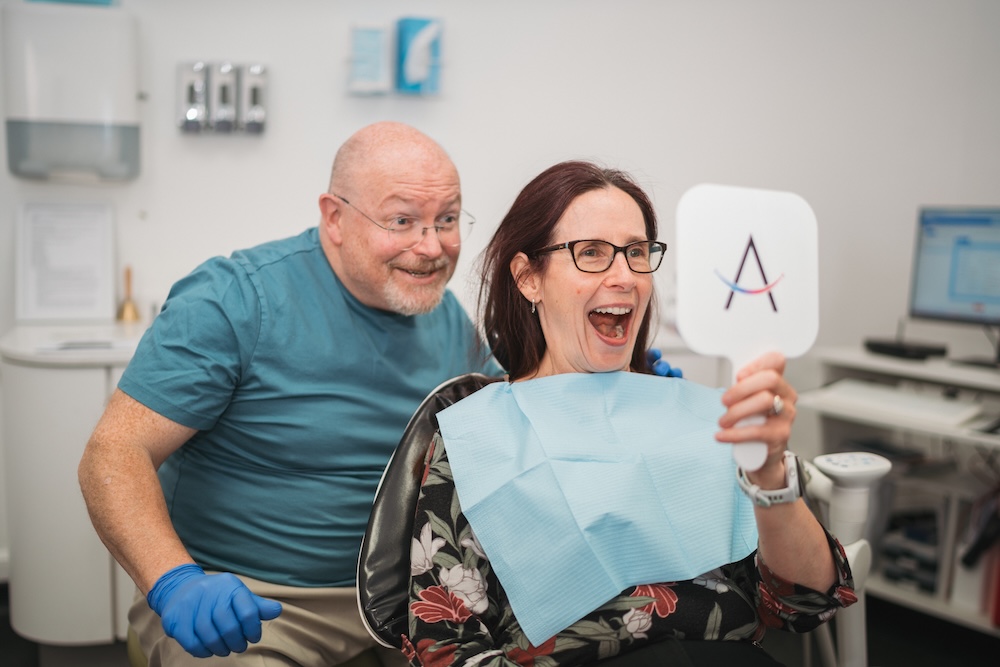
A little pink in the sink after brushing is easy to ignore. Most of us have seen it at some point and assumed we were just brushing too hard. Sometimes that is true, but bleeding gums are also one of the earliest signs of gum disease, and it is far easier to deal with at this stage than later. This guide explains what bleeding gums can mean, the signs to watch for and how gum disease treatment in Walsall at Allsopp Dental can help you keep your teeth for life.
Key takeaways
- Bleeding gums are often an early sign of gum disease, even if they do not hurt.
- Early gum disease, called gingivitis, can usually be reversed with professional cleaning and better home care.
- Left untreated, it can progress to periodontitis, which damages the bone that holds teeth in place.
- Regular check-ups and hygiene visits are the simplest way to catch problems early.
Why do my gums bleed when I brush?
The most common reason is a build-up of plaque, the soft, sticky film of bacteria that forms on your teeth every day. When plaque sits along the gum line, the gums react by becoming inflamed, which makes them red, puffy and more likely to bleed when touched.
If plaque is not removed, it hardens into tartar, sometimes called calculus. Tartar cannot be brushed away at home; it needs to be removed professionally by a dentist or hygienist. That is one reason why bleeding that keeps coming back is worth getting checked rather than waiting to see if it goes away.
There are other possible causes too, such as a new toothbrush with firm bristles, starting to floss for the first time, or hormonal changes during pregnancy. A dentist can help you work out what is going on.
Signs of gum disease to look out for
Gum disease is often painless in its early stages, which is exactly why it can go unnoticed. Book a check-up if you notice any of the following:
- gums that bleed when you brush, floss or eat;
- red, swollen or tender gums;
- persistent bad breath or a bad taste in your mouth;
- gums that seem to be pulling back from your teeth, making them look longer;
- teeth that feel loose or have started to shift;
- changes in the way your teeth meet when you bite.
Gingivitis and periodontitis: what is the difference?
Gum disease usually happens in two stages.
Gingivitis is the early stage. The gums are inflamed and may bleed, but the bone and tissue holding your teeth in place have not yet been damaged. The good news is that gingivitis can usually be reversed with a professional clean and a better routine at home.
Periodontitis is the more advanced stage. Here, the inflammation has spread below the gum line and begun to damage the bone that supports your teeth. Pockets can form between the teeth and gums, trapping more bacteria. Periodontitis can be managed, but lost bone does not grow back on its own, and in severe cases teeth can become loose or be lost.
In other words, the earlier gum disease is spotted, the more of your smile you protect.
Gum disease treatment in Walsall at Allsopp Dental
Treatment depends on how far gum disease has progressed. For many people, it starts with a thorough professional clean to remove plaque and tartar from above and below the gum line, followed by tailored advice on brushing, flossing and cleaning between your teeth.
For more advanced cases, your dentist may recommend deeper cleaning and more regular hygiene visits to keep things under control. You can read more about our approach on our gum disease treatment page.
[Add specifics from the practice: who provides gum treatment, typical appointment length and the cost of a hygiene or periodontal appointment.]
How to help prevent gum disease at home
The habits that protect your gums are simple, but they have to be done every day to work:
- Brush twice a day for two minutes, angling the bristles towards the gum line.
- Clean between your teeth every day with floss or interdental brushes, because a toothbrush cannot reach those tight spaces.
- Avoid smoking, which is a major risk factor for gum disease and can also hide the warning sign of bleeding.
- See your dentist for a check-up at least twice a year, and more often if you have had gum problems before.
Why healthy gums matter for the rest of your smile
Your gums are the foundation for everything else. Healthy gums are needed before cosmetic treatments like Invisalign or composite bonding, and they are essential for dental implants. Although implants cannot decay, gum disease around them can weaken the bond between the implant and your jawbone. Looking after your gums now keeps all of your options open later.
Make regular care easier with our dental membership
If you want to stay on top of your gum health without worrying about individual bills, our dental membership covers routine check-ups, hygiene visits, emergency cover and more, all for a simple monthly payment.
Book a check-up at our Walsall practice
Bleeding gums are your mouth's way of asking for attention, and a quick check now can save a great deal of treatment later. If you have noticed any of the signs above, book an appointment at our Bridge Street practice. We see private patients from across Walsall, Aldridge and Sutton Coldfield.
Frequently asked questions
Should I stop brushing if my gums bleed?
No. Keep brushing gently twice a day and cleaning between your teeth. Stopping allows more plaque to build up, which usually makes bleeding worse. If bleeding continues for more than a week or two, book a check-up.
Can gum disease be cured?
Early gum disease, gingivitis, can usually be reversed. More advanced gum disease, periodontitis, cannot be fully reversed, but it can be managed well with professional treatment and good home care.
How often should I see a hygienist?
Most people benefit from a hygiene visit at least twice a year. If you have gum disease or heavy tartar build-up, your dentist may recommend more frequent visits.
Do you accept NHS patients?
At present, Allsopp Dental is not accepting new NHS patients. We would be happy to welcome you as a private patient.
Where we are
and how to get in touch
- 01922 614 685
- Allsopp Dental Practice26 Bridge Street, Walsall, WS1 1HR
- Chat with us on live chat between 8am to 8pm

When are we open?
- Monday8:30am - 5.00pm
- Tuesday8:30am - 5.00pm
- Wednesday8:30am - 5.00pm
- Thursday8:30am - 5.00pm
- Friday8:30am - 5.00pm
- Saturday8:30am - 1:00pm*
- SundayClosed
- * Every second Saturday
View our seasonal hours

